What to Look for When Renting a Digger: A Beginner's Guide
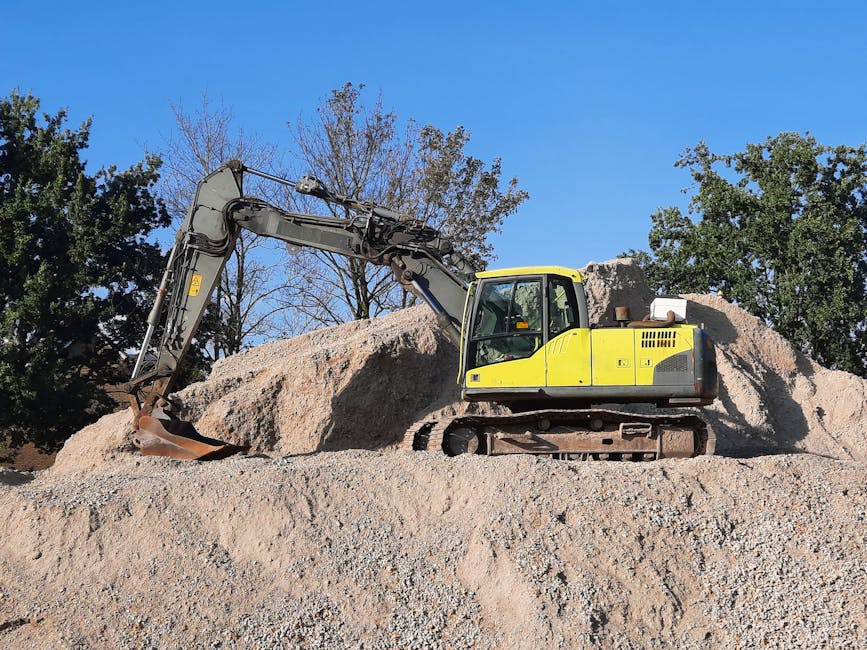
Renting a digger can seem overwhelming if you've never done it before, but understanding what to look for makes the process straightforward. Whether you're tackling a garden renovation or a larger construction project, selecting the right machine is crucial for both efficiency and safety.
Size and Bucket Capacity
Diggers come in various sizes, typically ranging from 1-tonne mini excavators to 20-tonne machines. For residential garden work, a mini digger (1-3 tonnes) usually suffices. Larger construction sites benefit from bigger models. The bucket capacity should match your project's demands—moving loose soil requires different capacity than moving compacted material or rocks.
Reach and Depth
Consider how far the digger's arm needs to extend and how deep it must dig. Reach measurements matter if you're working near boundaries or structures. Maximum digging depth is essential for foundation work or pond creation. Always check these specifications against your project requirements before booking.
Fuel Type and Running Costs
Modern diggers typically run on diesel, though some electric options now exist. Diesel machines offer greater power for demanding work, while electric alternatives suit lighter tasks and environmentally conscious projects. Ask hire companies about fuel consumption rates—this significantly impacts your project costs.
Attachment Options
Quality hire companies offer various attachments beyond standard buckets. Hydraulic breakers handle concrete demolition, thumbs assist with material handling, and grading buckets level ground efficiently. Confirm your rental includes the attachments you need, or budget for additional hire costs.
Operator Requirements
In the UK, you'll need appropriate training or certification to operate hired diggers. Many hire companies offer training courses or require proof of competency. Some hire agreements include operator hire, which can be cost-effective if you lack experience. Always clarify what's required before committing.
Ground Conditions
Your site's ground conditions affect digger selection. Soft or wet ground suits tracked machines that distribute weight better than wheeled variants. Hard ground or tarmac access may require wheeled diggers. Discuss site conditions with your hire company—they'll recommend the most suitable machine.
Rental Duration and Delivery
Hire rates typically offer daily, weekly, or monthly options. Longer projects benefit from weekly rates. Check whether delivery and collection are included or charged separately. Some companies offer free delivery within certain areas, potentially saving hundreds of pounds.
Insurance and Liability
Understand what insurance the hire company provides and what you're responsible for. Most require damage waiver insurance. Clarify liability for accidents or breakdowns during your rental period. This protects both you and your project budget.
Taking time to consider these factors ensures you select the perfect digger for your specific needs, ultimately saving money and preventing project delays.